65th Anniversary of the Museum
Celebrate the 65th anniversary of the Technisches Landesmuseum Mecklenburg-Vorpommern at the phanTECHNIKUM with us! Its predecessor, the Polytechnic Museum, opened on 11 November 1961 in the Orangery of Schwerin Palace. Here is a brief look back:
The founding of the museum
To make all technical subjects more tangible in school lessons, the Council of Ministers of the GDR resolved on 17 May 1960 to establish a “Polytechnic Museum” in every district of the GDR. The Schwerin District Assembly ordered the founding of the museum in the summer of 1960. Great importance was attached to teaching technical knowledge and skills in the classroom. The museum was therefore more of a didactic teaching display than a cultural institution.
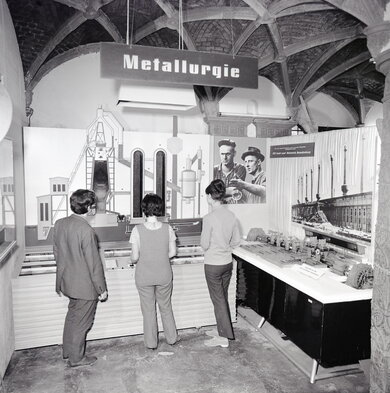
The starting point was an exhibition unit on the development of humankind and its use of tools, from prehistory to the present day. This was followed by the departments “Primary Energy, Electrical Engineering, Transport, Metallurgy, Energy Conversion, Agriculture, Construction, and Electronics/Microelectronics”, as a museum guide from 1986 shows. By 1989, the museum had welcomed more than 1,000,000 visitors in total.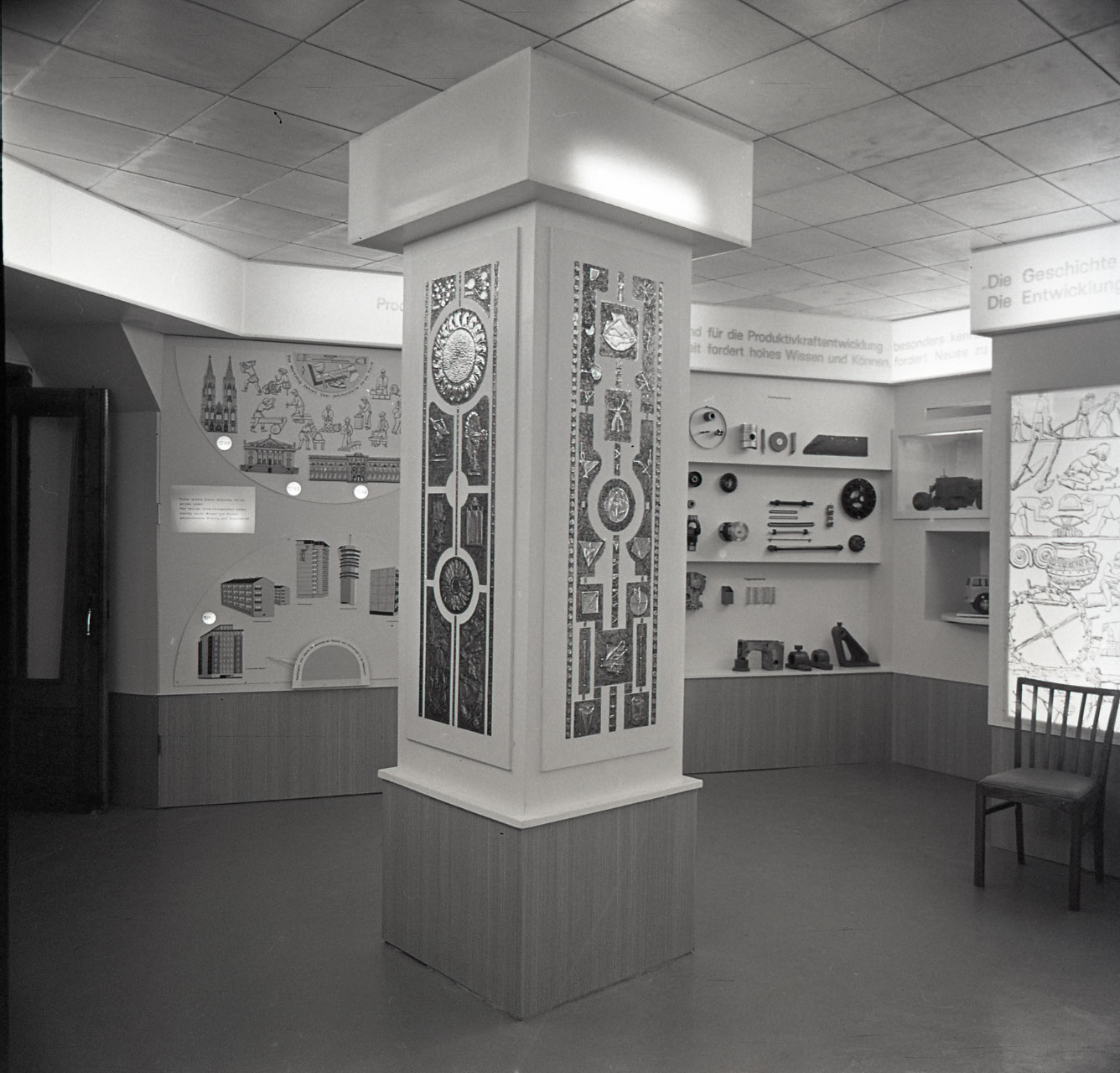
From Schwerin to Wismar
In 1990, the museum was given a new name: it became the Technisches Landesmuseum. Two years later, the exhibition was closed. The objects were packed up and disappeared into storage. In 1996, the end of the Technisches Landesmuseum even seemed to have come. The state cabinet resolved to dissolve the museum as of 31 December 1996. But things turned out differently: the Schwerin Chamber of Industry and Commerce (IHK) in particular was unwilling to accept the loss of the museum as an educational centre for technical professions. Under its leadership, the “Verein Technisches Landesmuseum Mecklenburg-Vorpommern e. V.” was founded on 14 November 1996. It was only as the Technisches Landesmuseum that an extensive collection was built up. In addition to holdings on computing technology, such as Robotron computers, radios and televisions, the museum already owned a stock of cars, motorcycles and mopeds of GDR manufacture in 1996. There were also outstanding individual objects, such as the steam engine from the distillery in Wesenberg, the model of the steam engine by Ernst Alban based on an original from 1840, the switchboards from the private laboratory of the physicist Dietrich von Heyden-Linden (1898–1986) from Demmin, and the diesel engine of the Gorch Fock from 1958.
From 25 July 1997, the Technisches Landesmuseum was once again permanently open to the public. The new permanent exhibition “Mecklenburg-Vorpommern – Where Technology Begins” opened on 800 m² of floor space in the Schwerin Marstall. It remained on view there until 31 January 2011. Initially, it was uncertain where the Technisches Landesmuseum should be permanently located. Offers from across the state, from Zinnowitz to Ludwigslust, reached the supporting association. Eventually, the barracks at the Lübsche Burg in Wismar emerged as the best alternative.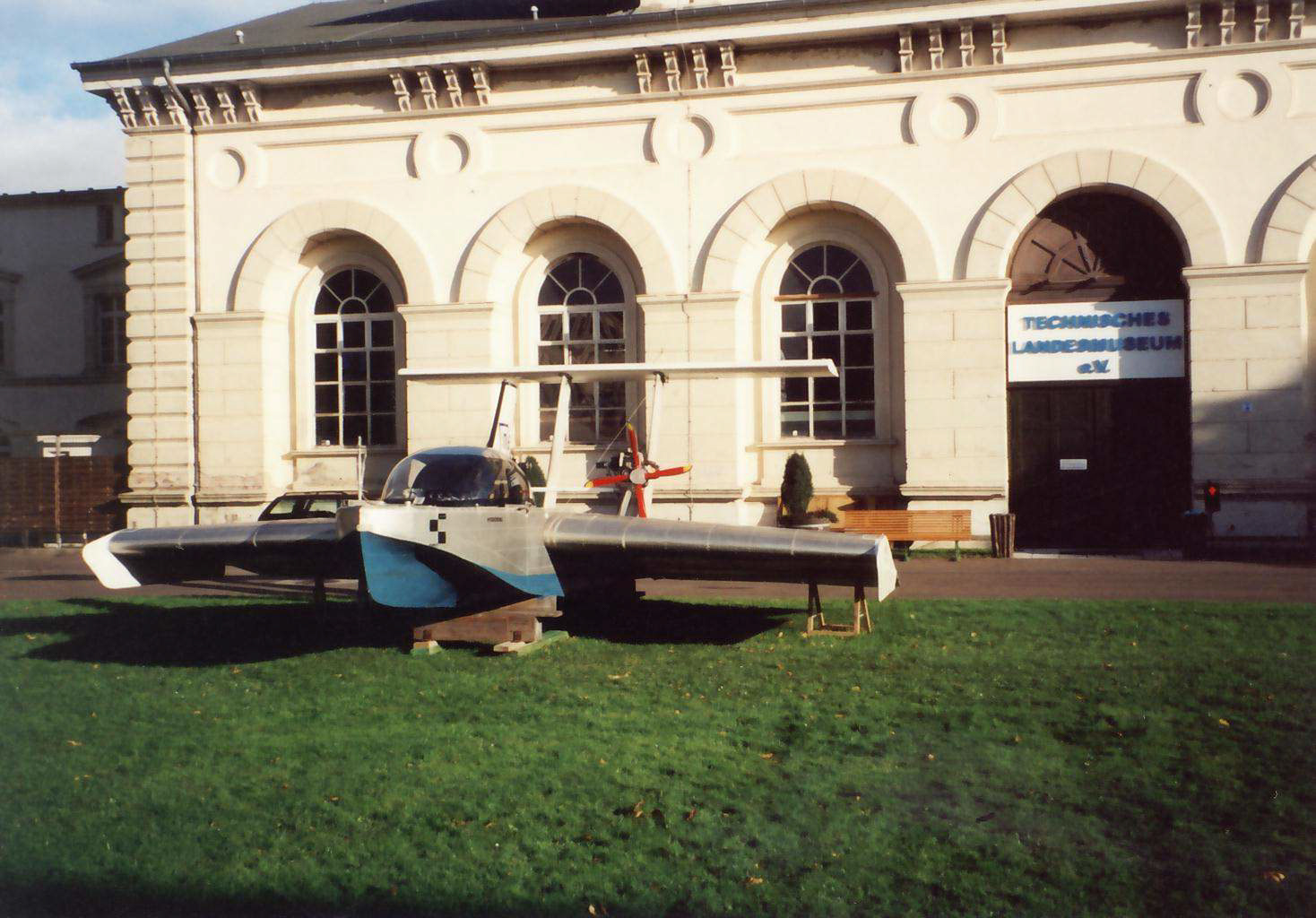
The phanTECHNIKUM
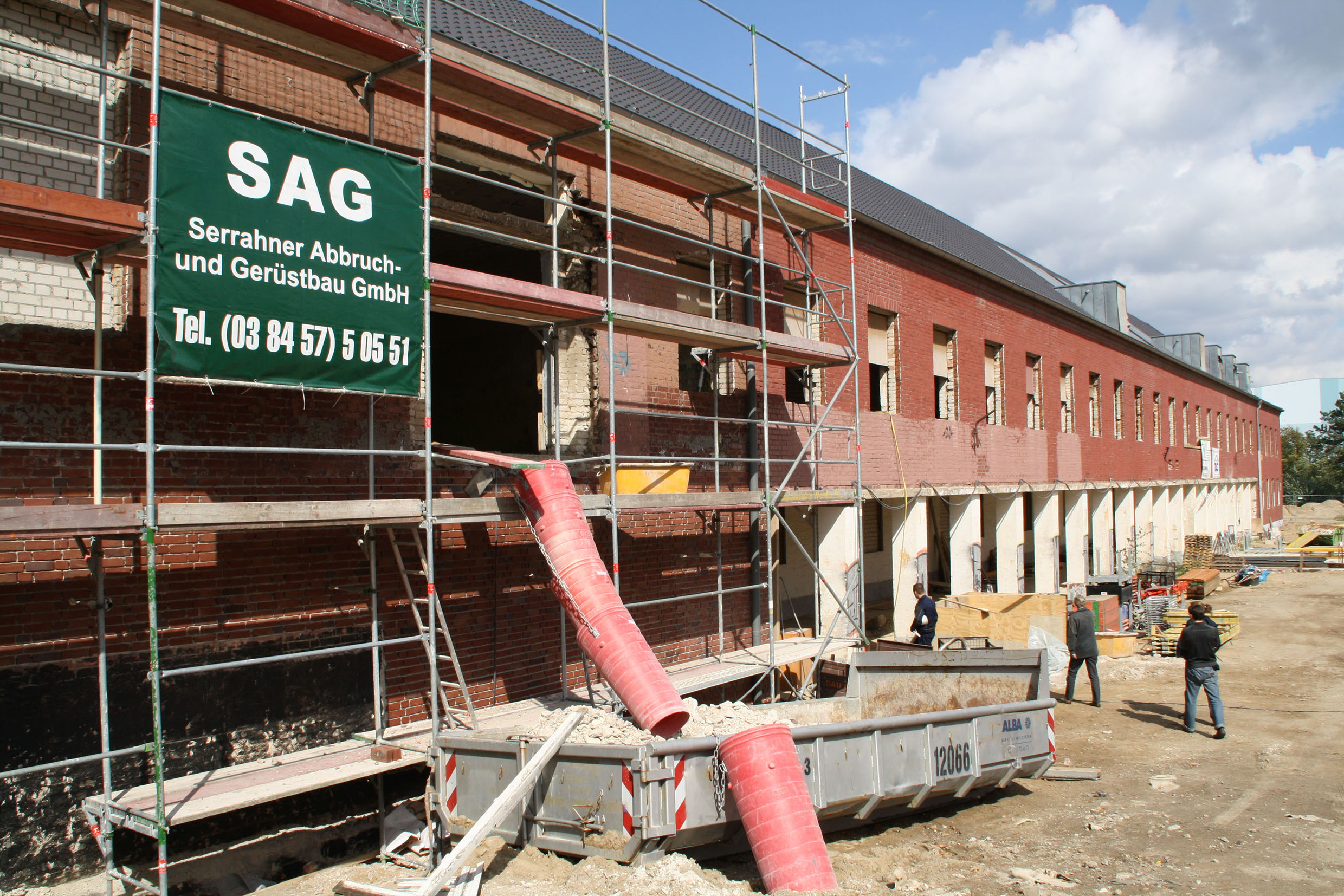
It took several more years before the opening of the museum in Wismar became a reality. The Schwerin firm Brenncke Architekten GbR was commissioned in 2002 to plan the conversion of the barracks. On 8 October 2008, the Hanseatic City of Wismar and the Verein Technisches Landesmuseum e. V. founded the “Technisches Landesmuseum gemeinnützige Betriebsgesellschaft mbH”, which, among other things, took over the planning and future operation of the phanTECHNIKUM.
The exhibition was divided into the sections Fire, Water, Air and Earth, following the ancient doctrine of the four elements. On 1 December 2012, the first construction phase of the phanTECHNIKUM opened, with the Air and Water departments and the first part of the Fire department. The expansion of the permanent exhibitions only gained momentum again in recent years. In 2020, the permanent exhibition “Universal and Explosive – The Combustion Engine” opened. Next year, the final exhibition section on the history of cycling, in the Earth department, will open.